

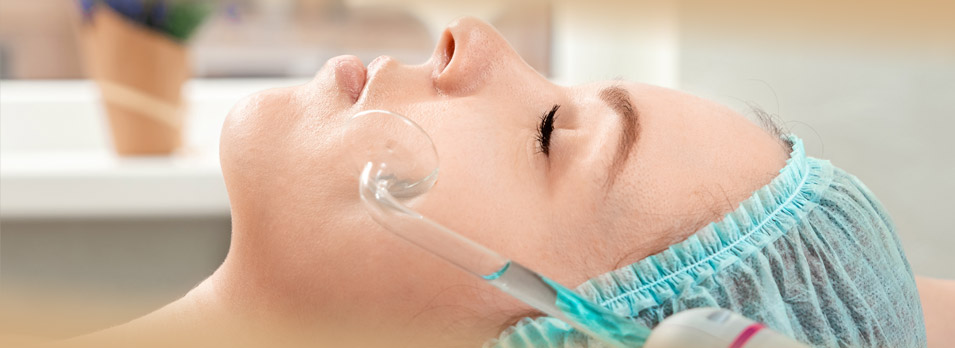
Ozone Therapy
In recent years, ozone therapy, a name frequently heard in the field of alternative medicine, stands out as an effective method that supports the immune system, accelerates cell regeneration, and offers natural support against many chronic diseases. Ozone gas, the triatomic form of oxygen, acts as an antioxidant in the body, helping to eliminate toxins. So, what is ozone therapy, how is it applied, and who benefits from it? In this article, we cover ozone therapy in full detail.
What is Ozone Therapy?
Ozone therapy is a treatment method based on converting pure oxygen into ozone using special devices and administering it to the patient's body through various routes. Medical ozone can be applied intravenously, subcutaneously, intramuscularly, rectally, or vaginally. The method of application is determined according to the patient's needs. This treatment method is used to strengthen the immune system, increase oxygenation, and accelerate healing in tissues.
What Are the Benefits of Ozone?
Ozone therapy stands out with its multifaceted benefits. Here are some of the prominent effects of this treatment method:
- Strengthens the immune system.
- Effective in combating chronic fatigue and stress.
- Increases resistance to infections.
- It purifies the body with its detox effect.
- Improves circulation and increases oxygenation.
- Supports skin regeneration and collagen production.
- Provides relief in chronic pain (fibromyalgia, rheumatism, etc.).
- Provides supportive treatment for fatty liver and metabolic diseases.
Thanks to these effects, ozone therapy is frequently preferred by individuals seeking to reduce the stress, fatigue, and toxin burden brought on by modern life.
What are the Side Effects of Ozone?
As with any treatment method, ozone therapy can have some side effects. However, when applied with the correct dose and appropriate technique, it is generally a safe method. Although rare, the following side effects may be observed:
- Slight pain or redness at the application site.
- Temporary fatigue or dizziness.
- In rare cases, allergic reaction.
- Irritation of the respiratory tract if ozone is inhaled.
Therefore, ozone therapy should only be administered by certified healthcare professionals specializing in this field.
How is Ozone Therapy Applied?
The method of ozone therapy application varies according to the patient's health status. The most common application methods are:
- Major Method: A certain amount of blood is drawn from the patient, mixed with ozone, and then re-administered intravenously.
- Minor Method: A small amount of blood is mixed with ozone and injected intramuscularly.
- Rectal/Vaginal Administration: Used for absorption through the intestinal mucosa.
- Intra-articular injection: Used in rheumatic diseases or sports injuries.
The number of sessions typically ranges from 5 to 10, with each session lasting 20-30 minutes. The treatment plan is customized for each individual based on the doctor's assessment.
Who Can Receive Ozone Therapy?
Ozone therapy can be applied as a supportive treatment for many health problems. It may be effective in the following conditions:
- Chronic fatigue syndrome
- Fibromyalgia and muscle pain
- Diabetes and metabolic syndrome
- Weakened immune system
- Skin diseases (psoriasis, eczema, etc.)
- Infections and wound healing
- Detox and anti-aging practices
However, in some cases, ozone therapy is not recommended. Especially in conditions such as pregnancy, hyperthyroidism, severe anemia, or bleeding disorders, it should not be applied without the approval of a physician.
What Are the Risks of Ozone Therapy?
Although ozone therapy is a low-risk procedure, some complications may arise if it is performed with the wrong dose or by inexperienced individuals:
- Risk of infection in intravenous ozone applications
- Embolism formation in incorrect applications
- Cell damage from excessive ozone administration
Therefore, ozone therapy should only be performed under the supervision of a physician and under sterile conditions.
What to Pay Attention to After Ozone Therapy?
After the treatment, patients need to pay attention to some issues:
- Drink plenty of water and support toxin elimination
- Avoid strenuous physical activities
- Avoid alcohol and smoking
- Eat a balanced and healthy diet
Furthermore, adhering to the session intervals recommended by the doctor is of great importance for the effectiveness of the treatment.
What are Ozone Therapy Prices?
Ozone therapy prices vary depending on the application method, number of sessions, and the region where the clinic is located. For exact pricing information, a preliminary examination is recommended before a treatment plan is created.
Is ozone harmful to health?
When applied in the correct dose and by expert individuals, ozone therapy is generally safe. However, it can be harmful if given in high doses or by the wrong method. Especially ozone inhaled through the respiratory tract can damage lung tissue.
What Are the Advantages of Ozone Therapy?
Its most significant advantages are strengthening the immune system, increasing oxygenation in the body, detoxifying, and alleviating chronic disease symptoms. It also offers a rapid recovery process.
Does ozone therapy clean the blood?
Yes, ozone therapy increases the oxygen-carrying capacity of the blood, facilitating the removal of toxins. Thanks to its antioxidant effect, it helps in clearing free radicals.
How many days does it take for ozone therapy to show its effect?
Generally, an increase in energy, improvement in sleep quality, and reduction in pain can be observed after the first 3-5 sessions. For full effect, 6-10 sessions are recommended.
Which diseases does ozone therapy help with?
It is a supportive treatment method for many conditions such as chronic fatigue, fibromyalgia, rheumatic diseases, circulatory disorders, infections, diabetes, fatty liver, and skin diseases.

Medical Aesthetics
Dr. Öznur Göyce
Dr. Öznur Göyce, as a physician certified in medical aesthetics, offers personalized treatments at her clinic, including Botox, nose and lip fillers, mesotherapy, and skin rejuvenation procedures.