

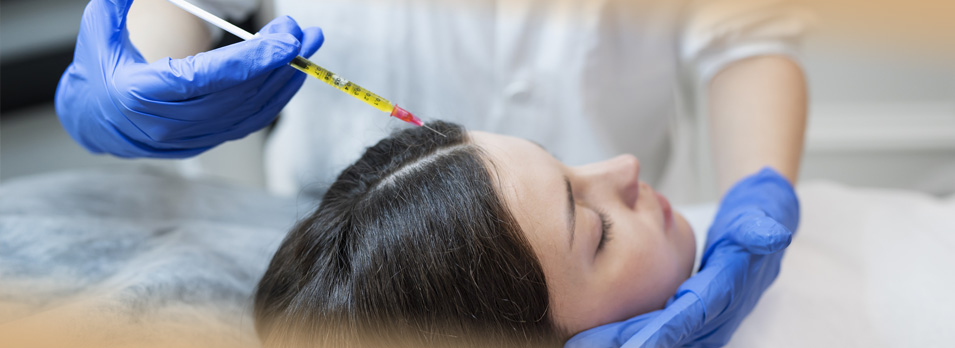
PRP (Platelet-Rich Plasma)
PRP (Platelet Rich Plasma) therapy is a procedure where platelet-rich plasma, obtained from the patient's own blood, is re-injected into the body for various therapeutic purposes. This method, safely used in many fields such as skin rejuvenation, hair loss treatment, and pain management, has gained significant prominence in aesthetic and orthopedic medicine in recent years. In this article, you can find detailed information about everything you wonder about PRP, which stands out for its natural content and effective results.
What is PRP?
PRP is an abbreviation for "Platelet Rich Plasma" and is translated into Turkish as "trombosit yönünden zengin plazma" (platelet-rich plasma). This method is prepared using the person's own blood. The drawn blood is centrifuged through a special process, and the platelet-rich part is separated and reinjected into the body. Platelets contain growth factors necessary for the repair of damaged tissues in the body. In this way, cell renewal and the healing process are accelerated in the area where PRP is applied.
Which Diseases is PRP Treatment Used For?
PRP treatment is preferred for many conditions in both aesthetic and medical fields. Here are some areas where PRP is commonly used:
- Hair loss and hair strengthening
- Skin rejuvenation in the face and neck area
- Joint calcification (osteoarthritis)
- Muscle and tendon injuries
- In knee, shoulder, and hip pains
- Acne scars and skin blemishes
What is Aimed with PRP?
The main goal in PRP treatment is to activate the body's natural healing mechanisms. With this application:
- Collagen production is stimulated,
- Tissue repair and regeneration are ensured,
- Revitalization of hair follicles is aimed,
- The healing of pain-causing tissues is accelerated,
- Skin elasticity and radiance are increased.
How is PRP Applied?
The PRP procedure consists of three main stages:
- Blood Collection: Approximately 10-20 ml of blood is drawn from the patient's arm.
- Centrifugation Process: The collected blood is separated in a special device to obtain platelet-rich plasma.
- Injection: The obtained PRP is injected into the needed area with fine-tipped needles.
Tüm süreç ortalama 30-45 dakika sürer ve genellikle lokal anesteziye gerek duyulmaz.
How is the PRP skin rejuvenation method applied?
The PRP procedure applied for skin rejuvenation is performed on areas where aging is evident, such as the face, neck, décolletage, and back of the hands. In this application, mesotherapy or microneedling techniques can be used. When PRP is applied to the skin:
- Collagen production increases,
- Skin elasticity and moisture content increase,
- Fine wrinkles are reduced,
- Skin tone is evened out and a healthier appearance is gained.
There might be slight redness after the application, but it will subside quickly.
What are the most common areas where PRP is used in pain treatment?
PRP is preferred in pain treatment, especially in the following conditions:
- Knee osteoarthritis (gonarthrosis)
- Shoulder impingement syndrome
- Tennis elbow (lateral epicondylitis)
- Achilles tendinitis
- Pain caused by lumbar and cervical disc herniation
When applied directly to the problematic area, it promotes the healing of pain-causing tissues.
Are there any side effects of PRP?
Since PRP therapy uses the patient's own blood, the risk of allergy is quite low. However, like any medical procedure, PRP can have some possible side effects:
- Temporary swelling, bruising, or redness in the application area
- Mild pain or tenderness
- Rare risk of infection (if sterile conditions are not maintained)
These side effects are generally mild and temporary.
What are the Risks of PRP Treatment?
Although PRP treatment is considered a low-risk application, it may carry risks in the following situations:
- In individuals with bleeding disorders
- In individuals with bleeding disorders
- In individuals with suppressed immune systems
Before treatment, a specialist physician's evaluation must be performed, and patient suitability should be taken into consideration.
What are PRP Treatment Prices?
PRP prices can vary depending on the application area, the number of sessions, and the policies of the healthcare institution. Since skin rejuvenation and hair treatments are generally planned as courses of 3-6 sessions, the total cost is shaped accordingly.
How does PRP hair treatment occur?
In PRP hair treatment, platelet-rich plasma is injected into the scalp. This method stimulates hair follicles, strengthens weakened roots, and reduces hair loss. It also supports new hair growth. Sessions are usually applied every 2-3 weeks.
How long does PRP hair treatment last?
Hair PRP application takes an average of 30-45 minutes. It is generally recommended for 3-6 sessions. For effective results, regular application at specific intervals is required.
How many sessions does the PRP skin rejuvenation method take?
PRP skin rejuvenation treatment is generally planned for 3-4 sessions. Sessions are applied with an interval of 2-4 weeks. The number of sessions is determined individually according to the skin structure and signs of aging.
What is the place of PRP in pain treatment?
PRP offers a solution targeting the cause of pain. In chronic musculoskeletal pains, it naturally reduces pain by promoting tissue self-repair. In this respect, PRP differs from classic painkiller treatments and can provide long-term relief.
Why is PRP Treatment Applied?
PRP treatment is applied to accelerate cell regeneration, promote tissue repair, and support natural healing processes. It offers a safe and effective option in conditions such as hair loss, skin aging, and muscle and joint pains.

Medical Aesthetics
Dr. Öznur Göyce
Dr. Öznur Göyce, as a physician certified in medical aesthetics, offers personalized treatments at her clinic, including Botox, nose and lip fillers, mesotherapy, and skin rejuvenation procedures.